Managing excess phosphorus
Excess phosphorus is one of the leading drivers of water quality decline. Managing nutrient pressure at the source can support clearer water, healthier ecosystems and more stable long-term performance.
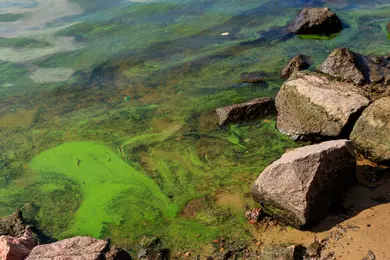
Stop phosphorus at the source
Phosphorus is one of the most common drivers of declining water quality. It fuels algae, clouds clarity, and places lasting pressure on lakes, ponds, and operational water systems.
Treat the symptoms and they return. Reduce the phosphorus and you change the conditions that created them.
Oase reduces phosphorus at the source, in both the water column and the sediment, using practical, science-led methods designed to improve water quality and support restoration over time.


Why phosphorus matters
Phosphorus has a natural role in aquatic ecosystems. The problem is concentration. When levels climb, a waterbody can destabilize quickly.
Runoff, decaying organic matter, sediment release, and operational inputs all add phosphorus to the system. Because it cycles between water and sediment, it tends to accumulate rather than clear on its own.
Addressing it directly is often the most effective single step toward stable, clearer water.
Common signs of excess phosphorus
Recurring algae blooms
Frequent algae growth is often a sign of excess nutrient availability within the waterbody.
Poor water clarity
Elevated phosphorus levels can contribute to cloudy water and reduced visibility.
Excessive aquatic plant growth
Nutrient-rich conditions can accelerate the growth of aquatic vegetation and algae.
Elevated nutrient readings
High phosphorus concentrations often indicate an increased risk of water quality decline.
Seasonal water quality decline
Nutrient pressure can intensify during warmer months, leading to recurring seasonal issues.
Increasing maintenance requirements
As nutrient levels rise, more time and resources are often needed to manage water quality.
Our approach
Oase focuses on reducing phosphorus within the water column and sediment while supporting the natural biological processes that contribute to healthier water conditions.
By combining assessment, nutrient management and restoration technologies, we help create conditions that support clearer, more balanced water over the long term.

Water bodies most affected
Recreational Lakes and Ponds
Nutrient loading from runoff, organic matter and recreational activity can contribute to ongoing water quality challenges.
Stormwater and Retention Ponds
Designed to capture runoff, these systems often accumulate nutrients that can fuel algae growth and reduce water quality over time.
Golf Course Ponds
Fertiliser inputs, organic debris and warm conditions can increase nutrient pressure and create recurring water quality issues.
Municipal Water Bodies
Public lakes and ponds are often influenced by multiple nutrient sources, making long-term water quality management essential.
Wastewater and Industrial Water
Operational processes can introduce nutrient loads that impact water quality, biological performance and overall system efficiency.
Increasing maintenance requirements
As nutrient levels rise, more time and resources are often needed to manage water quality.
SeDox Max®
Advanced phosphorus management for long-term water quality improvement.
SeDox Max® combines multiple treatment pathways to reduce biologically available phosphorus and support the natural processes that contribute to healthier water conditions.
Key Benefits
Reduces biologically available phosphorus
Helps limit nutrient-driven algae growth
Supports improved water clarity
Promotes long-term ecosystem stability
Suitable for lakes, ponds and operational water systems

Take control of nutrient loading
Talk to our team about phosphorus management designed around your waterbody or operational system.