How to keep your aquarium clean: A complete guide
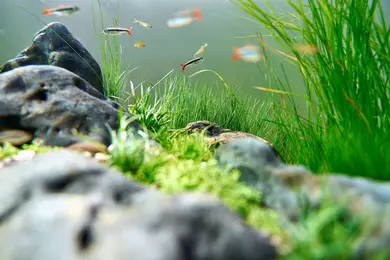
Every aquarium needs regular care and maintenance. It keeps the ecosystem healthy, the water clear, and your fish thriving.
Let’s go through everything you need to know to keep your aquarium in top condition, and your water perfectly clear.
How often should I clean my fish tank?
Most aquariums need to be cleaned at least every two weeks. That includes doing a partial water change, cleaning the filter, and giving the tank a general scrub and tidy-up.
You should also keep an eye on things day-to-day, and perform any small maintenance tasks as needed.
If you have a large tank – or want to ensure truly crystal-clear water – you may need to clean it once a week.

How to clean your aquarium: Step by step
Before you start...
Wash your hands and arms in clean water. This helps remove any bacteria, dirt, and other contaminants that could affect your aquarium water. Don’t use soaps, lotions, or any other products – the chemicals could harm your fish.
Then, switch everything off in your aquarium, including the light, filter, and pump.
Step 1: Test the water
Use a water testing kit to check the pH, ammonia, nitrate, and nitrite levels of your aquarium’s water. This tells you how you will need to condition the water when you replace it.
You should test the water once a month.
Step 2: Remove at least 25% of the water
Use a water changing kit with a siphon to remove about a quarter of the water in the tank.
By replacing a portion of the water, you remove a good amount of waste and dirt and increase the oxygen levels too. But make sure you check the water quality first; depending on where you live, water must be dechlorinated and conditioned before adding from the tap.
Put the water you remove into a bucket – you can use it to clean things like ornaments and filter media.
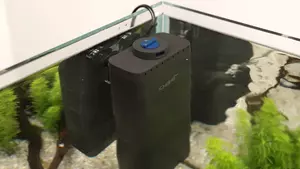
Step 3: Clean the filter
Cleaning your filter media is straightforward. Take it out of the filter, rinse it in the water you removed from the aquarium, and put it back in the filter.
Don’t use any kind of detergent or soap, and don’t use tap water, as this can kill the beneficial bacteria and introduce contaminants.
Filter media doesn’t need to be squeaky clean – just free of any excessive dirt buildup.
Step 4: Clean the aquarium walls
Lightly scrub the walls of your aquarium to get rid of dirt, algae, and other debris.
A magnetic cleaning pad (or a simple toothbrush) are perfect for this – just make sure you choose the correct one for a glass or acrylic tank. You can also use a small brush for stubborn areas.
Step 5: Vacuum the substrate
Substrates such as gravel are notorious for building up layers of dirt and dust that drift to the aquarium floor. You can clean up this dirt using a cleaner pump, special gravel cleaner, or siphon to ‘vacuum’ it up.
Move the gravel around a little as you go, using the cleaner, a brush, or plant tweezers. This will dislodge the dirt and particles that have rested on the substrate, ready for them to be vacuumed away.
Step 6: Clean your decorations
Use water from the aquarium and a small brush for this. You could also use a special aquarium ornament cleaning solution if they’re looking particularly grubby.
Don’t use regular soap or detergent, however – this can upset the bacterial balance in your tank and harm your fish.
Step 7: Prune the plants
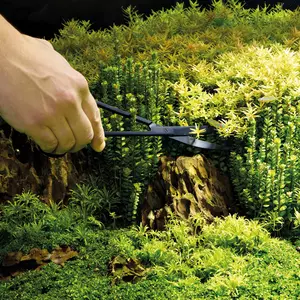
It’s time for a gardening session. Use dedicated plant scissors and tweezers to trim off any dead, damaged, or yellowing leaves, and prune any overgrown plants into shape.
Step 8: Top up the water
Tip away the water you removed from the aquarium, and pour a fresh batch of water back into the bucket – enough to replace the amount you removed. And remember, make sure you can use your tap water.
Use an aquarium thermometer to help you get the water up to the right temperature. Then, add water conditioner, and any other treatments needed to stabilize the chemical levels (according to your water test kit).
Finally, pour the fresh water into the aquarium, switch the filters and pumps back on and you’re done.
Tip
Your fish may get a little stressed when you clean the tank – you may notice them hiding for a short time after a clean. Help them de-stress by switching the aquarium lights off for a day or so and reducing their feed. They’ll be back to normal in no time.
Oase’s expert tips for a crystal-clear aquarium
Add lots of plants. They out-compete algae for nutrients – thus preventing it from growing and making your tank green or murky.
There are animals who will do some of the work for you. Certain types of snails, crabs, and algae-eating species can help clean up the tank simply by eating their preferred diet.
Keep on top of cycling your aquarium. Don’t hurry the nitrogen cycle or take shortcuts – let the tank work with its own rhythm.
Choose a good quality filter and pump. A strong filter and powerful pump work together to keep the water in top condition. If your aquarium seems to get dirty or build up algae quickly, that may be a sign to upgrade your filter.
Give it time – especially if your aquarium is new. Maintaining it properly day-to-day allows your tank to settle into a balance that works and doesn’t build up increase dirt.
FAQ
Why does my fish tank keep getting dirty?
A number of things can cause a dirty-looking aquarium, but top of the list is usually algae. Debris can also be caused by over-feeding fish, over-fertilizing plants, or not cycling the aquarium properly.
Is tap water safe for aquariums?
No – tap water may contain contaminants that could affect your aquarium or alter the chemical balance (such as chlorine). Before adding tap water to your tank, you should always treat it with water conditioner.
How often should I replace the filter media in my aquarium?
Some filters need a media change every six months, while some types of biological filter media can last years – it all depends on the model of filter and the type of media. Refer to the manual for the right advice for your filter.
For most OASE aquarium filters, we recommend replacing the media at least every 3-6 months.
How long does it take to clean an aquarium?
It usually takes about an hour to clean your aquarium and perform basic maintenance. Larger tanks, or aquariums with more complex needs, may take a little more time.