How to create a beautiful small pond in your garden
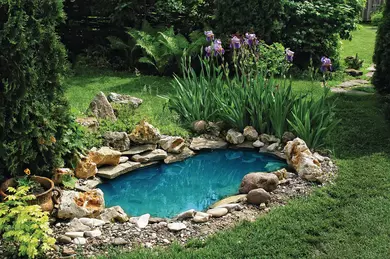
A small pond can make a big difference. It can transform a small-sized garden, bring something special to a forgotten corner, or even add a bit of magic to a backyard or patio. And with the right tools, creating a beautiful small pond is easier than ever.
Choosing your small pond style
The possibilities for your new pond are endless, but there are a few key styles to consider.
In-ground small ponds
This is the classic approach to a pond: digging a shape into the ground and filling it with water. It gives you a huge amount of control and flexibility over the shape, size, and placement of your pond – perfect if you’re filling a gap in your garden – or you could use a pre-formed pond to save time.
Raised small ponds
A raised pond sits above ground, made with wood, sleeper frames, brick, or other decorative materials. Building a raised pond may be slightly more difficult and require a bit of woodworking know-how, but it can be a real show-stopper – especially in a smaller garden.
Container ponds
A container pond is incredibly easy to install: it’s as simple as taking a container and filling it with water. You could purchase a ready-made container or try upcycling an old barrel, trough, planter, large pot, basin… whatever you can get your hands on. These make wonderful natural wildlife ponds, though aren’t always suitable for keeping fish.
How to build a small pond: Step by step
Step 1: Find the perfect spot
An area with 5-6 hours of sunlight per day is recommended, and it’s best to keep ponds away from trees to avoid the falling debris. You could go for a classic round pond, a modern square, or a unique shape to fit your space.
Step 2: Dig out or build your pond
Aim for a depth of at least 40cm (15 inches) at the deepest point and include different levels and planting shelves. Then, add your underlay and pond liner (or pre-formed pond).
Step 3: Install your filtration system
This is the time to install your plumbing. A standard pond needs a filter and most benefit from a pump or aeration system too. You can also add extra movement with waterfalls, bubblers, and fountains.
Step 4: Fill, decorate, and plant the pond
Add the all-important water. Collected rainwater is best – or, if you’re using tap water, remember to treat it and check the chemical levels before adding your plants and fish. Next, add your plants, ornaments, or any other decorations.
Step 5: Introduce your fish
Wait a few weeks, then start adding fish to your pond. Remember to let them acclimate slowly, avoid overstocking, and test your water regularly.
Get inspired: Design ideas for your small pond
Shaping up
Small ponds give you a chance to get creative with their shape.
Round or oval is a classic pond shape, and lovely in a cottage garden
A square or rectangle pond gives a modern and minimalistic feel to your space
Long, narrow ponds can go along paths and walkways; it’s an impressive way to add a large amount of water to a small or awkwardly-shaped garden area
Organic, curved ponds can be shaped around existing features to make the most of every centimeter of your garden – or to mimic natural wetlands
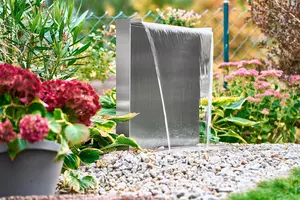
Water features
Even small ponds have room for fun features. Miniature waterfalls, fountains, bubbles, jets, and water courses can all bring a bit of excitement.
Let there be light
The right pond lighting can go a long way to add ambience to your space. Think about where you could install perimeter lights, add underwater lights, or illuminate water features and sculptures.
Plus, with a system like Oase’s LunAqua, you can pick RGB lights that shine in any color you like — and even control them from your smartphone with the Oase Control app.
Get decorating
There are infinite ways to decorate your pond. Why not try the following…
Lay rocks and stones at the edges to hide the pond liner — or use quality paving stones or reclaimed wood.
Add marginal and floating plants, such as marsh marigold, dwarf iris, pickerel rushes, water lilies, or frogbit. Just be sure to choose ones that won’t outgrow or take over the small pond area.
Include ornamental elements, such as sculptures and decorative water features, to add a little personality and whimsy.
Place flowerpots around the pond for extra decoration and tie the pond into its surroundings.
What fish can you keep in a small pond?
A small pond means small fish, so your best options include:
White cloud mountain minnows
Fathead minnows
Sticklebacks
Small goldfish varieties
Mosquitofish
Japanese ricefish
On the other hand, avoid larger fish or those with complex needs, such as Koi or large goldfish, and any fast breeders – these can very quickly outgrow a small pond.
Maintaining a small pond
Small ponds still require a little maintenance, to keep the water in perfect condition and your fish and plants healthy.
1. Skim the surface and trim the plants
Use a mechanical surface skimmer, or get hands-on with a pond net, to tackle any debris on the surface. Use gardening tools to prune the plants when needed too.
2. Clean and change the filters
Filter media generally needs cleaning about once a month. With Oase filters, this is incredibly easy; some, such as our AquaMax Eco, can be cleaned just by pumping the handle. Sponges, cartridges, and UVC bulbs need replacing about once a year.
3. Check the water quality
Use water test kits to regularly check the pH, ammonia, nitrite, and chlorine levels in your pond — and add water treatment products to re-balance it if necessary.
4. Seasonal care
Summer is high season for algae, which you may need to treat or skim; check the water temperature too, and shade the pond if it’s too hot. In autumn, keep on top of fallen leaves and dead plants, again using a skimmer or net. And in winter, prevent the pond from freezing – check the temperature, and add a little movement (such as with a bubbler or ice preventer) to stop ice forming.
Creating a mini wildlife pond
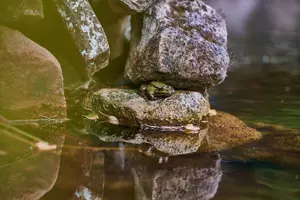
A natural wildlife pond is a wonderful way to attract real nature to your garden, and it couldn’t be easier to keep – it means no fish, no plumbing, and no maintenance.
To make one, dig a shallow pond or pick a container. Ground level natural ponds are especially good for encouraging greater varieties of wildlife.
Add a few native plants – ones that provide a little cover are particularly good choices – as well as access ramps for small animals. Logs or rocks are perfect for this.
You can use Oase water therapy products to make tap water safe for your pond, but it’s best to let it fill naturally with rainwater if possible.
Once it’s set up, your work is done. You may need to pull out stringy algae and pondweed from time to time, but otherwise, a natural pond is best left alone. Keep an eye out for frogs, birds, small mammals, bees, dragonflies – whatever creatures are native to your area!
Bring your small pond to life
Discover the Oase products and experts that can help make your small pond a reality –from pond liners, to the best in water technology, to all the decoration and care items you could need.